Cooling pillow guide
Cooling Pillow for Humid Bedrooms and Hot Sleepers
A humid bedroom makes pillow heat feel stickier because moisture has nowhere easy to go. Start by separating airflow, fabric, bedding layers, and room humidity.
Quick answer
For cooling pillow for humid bedroom, the useful answer is to solve room humidity, bedding layers, and how much a pillow can realistically change without creating a worse tradeoff. Best fit: shoppers who want a soft, supportive Cloud Pillow feel while still checking height, heat, care, and trial fit. Lumuwala Cloud Pillow is worth considering when you want a plush support feel, cooler sleep surface, and a current-policy home trial. Skip it if you need an ultra-firm contour pillow, an extremely low pillow, or a medical recommendation rather than a comfort trial.
Founder and primary Lumuwala byline
Edited by Anya for editorial content editor
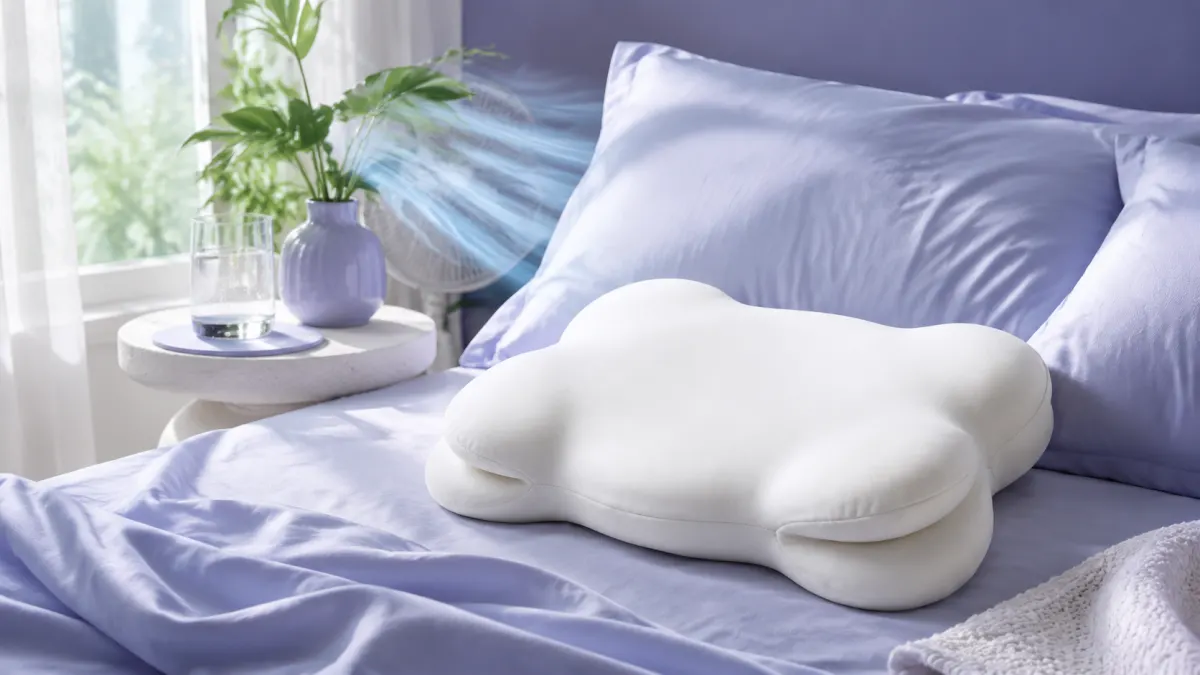
Buying brief
Decide before you shop.
Best fit
Best fit: shoppers who want a soft, supportive Cloud Pillow feel while still checking height, heat, care, and trial fit.
Skip if
Skip it if you need an ultra-firm contour pillow, an extremely low pillow, or a medical recommendation rather than a comfort trial.
Heat source
Decide whether the main problem is room humidity, bedding layers, and how much a pillow can realistically change.
Air and moisture path
Look for a breathable cover, lighter case, and less face-burying contact.
Height stability
A cooler pillow still fails if it leaves the head too low or too high.
Home test
Judge after several normal nights when the pillow has warmed up fully.
Try the Lumuwala fit
Cloud Pillow is the product this guide points back to.
Lumuwala fits the cooling pillow for humid bedroom search when the buyer wants cooling comfort tied to pillow height, not just a chilly first touch. It is strongest for shoppers who rotate between side and back sleep and want to test the heat story at home.
See if Cloud Pillow fits hot sleepersCluster links
Keep reading in this sleep path.
Humidity changes the pillow problem
A warm bedroom is uncomfortable. A warm, humid bedroom feels worse because sweat and moisture leave the skin more slowly. The pillow can feel stale even when the core is not unusually hot. The cheek, ear, and neck sit against a damp surface, and the sleeper starts flipping for relief.
That does not mean the pillow is innocent. Dense foam, thick covers, waterproof protectors, and synthetic cases can trap moisture at the head. Humidity makes those weak points louder. A pillow that feels fine in dry winter air can feel heavy and clammy in a humid room.
The useful question is narrow: is the heat local to the pillow surface, or does the whole room and bedding system feel wet and slow to cool? A cooling pillow can help the local head-and-neck problem. It cannot dehumidify the bedroom or rescue a heavy comforter.
What thermal sleep research can support
A study on humid heat exposure during night sleep found that the hottest, most humid condition increased wakefulness and reduced sleep efficiency and deeper sleep measures compared with milder conditions. That supports a plain bedroom rule: humidity and heat can make sleep lighter and more broken.
A 2026 warm-and-humid hostel study also connects thermal comfort with sleep quality in real housing conditions. A heat-exposed worker review found high night temperatures and heat exposure linked with poorer sleep outcomes. These sources do not test every pillow. They show why the room cannot be ignored.
Pillow and bedding research is still useful. A numerical sleep microclimate study looked at temperature, airflow, heat transfer, and bedding insulation around the sleeping body. For a humid bedroom, that points to the layers touching the face: case, protector, cover fabric, and pillow core ventilation.
Try the Lumuwala fit
Cloud Pillow is the product this guide points back to.
Lumuwala fits the cooling pillow for humid bedroom search when the buyer wants cooling comfort tied to pillow height, not just a chilly first touch. It is strongest for shoppers who rotate between side and back sleep and want to test the heat story at home.
Test the cooling setup at homeSeparate pillow heat from room heat
Use the wake-up map. If the face and neck are damp while the torso feels okay, the pillow surface deserves attention. If the back, legs, sheets, and pillow all feel wet, the room and bedding are probably the main problem. A pillow can still improve comfort, but it will not carry the whole fix.
Check the first half hour and the middle of the night. Some pillows feel cool at first touch, then turn clammy after the cover absorbs moisture. Others never feel cold, but keep enough airflow that they stay tolerable. In humidity, the second behavior often matters more than the first.
Also note whether the pillow only feels bad on one side. Side sleepers press more face and jaw into the surface, so a humid pillowcase can feel worse on the lower cheek. Back sleepers may notice neck dampness first because the head stays in one hollow.
The case and protector can erase airflow
A breathable pillow can be buried under a dense case. Waterproof pillow protectors are common, and some are helpful for allergens or spills, but they can make a humid room feel worse at the head. Decorative shams and thick synthetic cases can do the same thing.
Test the case before blaming the core. Use a clean, light, breathable pillowcase for two normal humid nights. Keep the pillow and bedding the same. If the surface feels less clammy, the case was part of the problem. If nothing changes, move to the core and room.
Wash state matters too. Body oils and detergent residue can change how a case handles moisture. A pillowcase that once breathed well can start feeling sticky after months of use. In humid bedrooms, fabric maintenance is part of the cooling setup.
Do not stack a towel over the pillow as a permanent fix. It may feel dry for a moment, but it adds another layer that can hold warmth and moisture. If a towel is needed every night, the pillow surface or room humidity is still unsolved.
A seven-night humid-bedroom test
Use seven nights because humidity changes with weather. Track room feel, face dampness, pillow flips, case fabric, protector use, blanket weight, fan or air movement, and whether the pillow still supports the neck after it warms up.
Nights one and two: current setup. Nights three and four: lighter case with the same pillow. Night five: remove the pillow protector if that is safe for your needs. Nights six and seven: test a cooling pillow only if the head-level problem remains.
Keep the blanket steady while testing the pillow. A lighter duvet can make every pillow seem better, and a heavier one can make every pillow seem worse. The goal is to learn whether the pillow surface is the local failure.
If humidity is high enough that sheets, mattress, and room air feel damp, add a room-level fix to the notes. Air conditioning, dehumidification, fan placement, lighter bedding, and window timing may matter more than another pillow swap.
A good pillow result is fewer flips, less damp cheek and neck contact, and support that still feels stable after the room has warmed. If the pillow cools the face but the neck collapses, it is the wrong trade.
What to look for
Look for a breathable removable cover, a core that does not feel sealed, care rules you can actually follow, and a return policy long enough to catch humid weather. First-touch coolness is less important than what happens after moisture builds.
Read cooling claims carefully. Gel can help the surface feel cooler at first, but humidity punishes poor moisture movement. A pillow that has no breathable cover story is asking the room to do too much work.
For side sleepers, cooling still has to share the job with height and pressure. A cooler surface that crushes under the cheek can bend the neck. A stable pillow that traps moisture can push the sleeper away from the supportive spot. Both can fail.
Back sleepers should check whether the head hollow gets damp. A pillow that cradles the head too tightly can hold warm air around the neck. The cradle should feel supportive, not sealed.
Common mistakes in humid rooms
The first mistake is buying for the coldest first touch. In a humid room, the hard test comes later, after the cover has absorbed normal moisture and the room has stopped cooling down. A pillow that wins the first minute can still lose at 3am.
The second mistake is ignoring the protector. A waterproof protector can be reasonable for allergies, sweat, or spills, but it can also trap moisture at the face. If the protector is required, test a lighter case over it and keep expectations realistic.
The third mistake is changing the whole sleep setup at once. New pillow, lighter blanket, open window, fan, washed sheets, and colder thermostat can produce a better night without telling you what worked. Change the local pillow layers first, then the room.
The fourth mistake is blaming the pillow for weather. If the room air is heavy, the mattress feels damp, and the sheets cling, the pillow is only one contact point. A cooler pillow can still be worthwhile, but room humidity remains part of the problem.
The fifth mistake is choosing plushness over drying. A thick soft surface can feel comfortable and still hold moisture against the cheek. In humid bedrooms, a slightly simpler breathable surface can beat a softer pillow that stays clammy.
Apartment and rental constraints matter too. Not every sleeper can add a window unit or dehumidifier. That makes pillowcase choice, protector choice, fan direction, and blanket weight more important. Work from the layers you can change before replacing the whole bed.
If the pillow only fails on rainy weeks, keep that note. Seasonal humidity can turn a close fit into a bad fit without changing the pillow. That pattern points to moisture control and fabric choice more than a permanent support problem.
Where Lumuwala fits
Lumuwala Cloud Pillow is a reasonable test for humid-bedroom sleepers whose heat starts at the pillow surface. The gel-infused foam, breathable cover, and medium-firm core are aimed at a cooler head-and-neck contact point without giving up support.
It is not a room-humidity fix. If the whole bed feels damp, Lumuwala may make the face more comfortable while the rest of the sleep environment still needs work. Keep that result narrow and honest.
Use Lumuwala with a light breathable case during the first trial. A thick protector can hide the cooling work and make the pillow look worse than it is. If the pillow feels cooler without the protector, the layer was part of the failure.
Side sleepers should judge Lumuwala by three signals: less damp cheek contact, level head, and no new jaw pressure. Back sleepers should judge it by neck support, calm chin angle, and whether the head hollow feels stale by morning.
Keep it only if the humid-night note changes in a repeatable way: fewer flips, less clammy contact, stable height, and no new pressure. If the room stays heavy and every layer feels wet, move the next test to air movement, bedding weight, or dehumidification.
Where Cloud Pillow does and does not fit
Good fit
Lumuwala fits the cooling pillow for humid bedroom search when the buyer wants cooling comfort tied to pillow height, not just a chilly first touch. It is strongest for shoppers who rotate between side and back sleep and want to test the heat story at home.
Not the fit
Lumuwala is not the right fit for every cooling pillow for humid bedroom shopper. Do not buy it as a substitute for medical care, as a rigid prescription contour, or as a promise that a pillow alone can fix the room, mattress, or health factors behind poor sleep.
Questions shoppers ask
What is the quick answer for cooling pillow for humid bedroom?
Focus on room humidity, bedding layers, and how much a pillow can realistically change. The right pillow should solve that main job while keeping height, heat, care, and return risk in balance.
Where does Lumuwala Cloud Pillow fit in cooling pillow for humid bedrooms?
It fits when you want a soft support pillow to test at home with the current policy details in view and you are not looking for a rigid medical contour.
Will a cooling pillow stay cold all night?
No honest pillow stays cold all night. A better goal is slower heat buildup, better moisture handling, and fewer wakeups to flip or rebuild the pillow.
How many nights should I test the pillow?
Use several normal nights, not one nap or one showroom squeeze. Keep the same pillowcase, mattress, and bedding so the pillow is the main variable.
What should I write down during the test?
Track heat timing, pillow flips, folds, stacking, pressure at the jaw or ear, shoulder load, neck angle, and morning comfort.
Is a higher pillow always better?
No. Side sleepers often need more loft than stomach sleepers, but too much height can tilt the neck upward or push a back sleeper's chin down.
When should I stop self-testing?
Stop and get medical guidance if symptoms are persistent, worsening, nerve-like, tied to injury, or include weakness, numbness, dizziness, or breathing concerns.
What makes an article trustworthy for pillow shopping?
Trust pages that separate fit guidance from medical claims, cite real sources, disclose evidence limits, and avoid invented review counts, ratings, or lab measurements.
Sources
- Okamoto-Mizuno K, Mizuno K, Michie S, et al. Effects of humid heat exposure on human sleep stages and body temperature. PubMed PMID: 10505822.
- Thapa S, Panda GK, Shaw T, et al. Thermal comfort and influence due to sleep quality in warm and humid Jalpaiguri. PubMed PMID: 41586877.
- Raja M, Venugopal V, Mathangi DC, et al. Impacts of heat on sleep quality among heat-exposed workers. PubMed PMID: 41680965.
- Pan D, Chan M, Deng S, et al. Numerical studies on the microclimate around a sleeping person. PubMed PMID: 22026952.