Cooling pillow guide
Cooling Pillow for Hot Sleepers with Allergies
Hot sleepers with allergies need more than a cold-feeling pillow. The cover stack has to breathe, wash cleanly, and avoid turning dust-mite controls into a warm layer.
Quick answer
For cooling pillow for hot sleepers with allergies, the useful answer is to solve dust, humidity, washable layers, and allergy-conscious pillow hygiene without creating a worse tradeoff. Best fit: allergy-conscious shoppers who want a cleaner pillow routine and care details before buying. Lumuwala Cloud Pillow is worth considering when you want a plush support feel, cooler sleep surface, and a current-policy home trial. Skip it as an allergy solution if you need medical-grade encasements or a clinician-directed dust-mite plan.
Founder and primary Lumuwala byline
Edited by Anya for editorial content editor
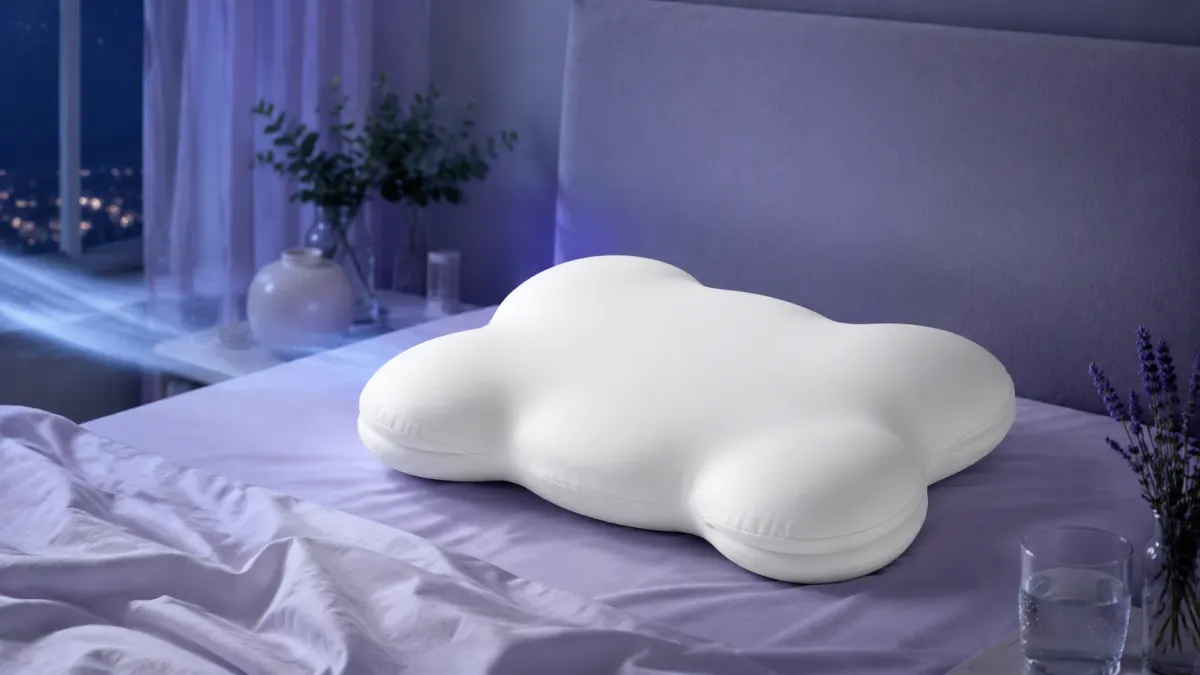
Buying brief
Decide before you shop.
Best fit
Best fit: allergy-conscious shoppers who want a cleaner pillow routine and care details before buying.
Skip if
Skip it as an allergy solution if you need medical-grade encasements or a clinician-directed dust-mite plan.
Hygiene loop
Choose a pillow setup you can actually keep clean with pillowcases and washable layers.
Humidity
Damp rooms and heavy protectors can make both heat and allergen control harder.
Fill behavior
Loose, old, or clumped fill can hold dust and lose support over time.
Expectation
A pillow can support a cleaner routine; it is not an allergy treatment.
Try the Lumuwala fit
Cloud Pillow is the product this guide points back to.
Lumuwala fits when the shopper wants one Cloud Pillow to test for comfort, support, heat, and care instead of building a complicated pillow stack.
See if Cloud Pillow fits hot sleepersCluster links
Keep reading in this sleep path.
Heat and allergies can fight each other
Hot sleepers often want fewer layers around the pillow. Allergy-aware sleepers often add covers, encasings, and stricter wash routines. Those needs can collide. A pillow can feel cooler with a light case and warmer once a dense protector or encasing is added.
That does not make allergy controls wrong. It means the whole cover stack has to be tested together. Pillow core, removable cover, allergen encasing if used, pillowcase, detergent residue, hair products, and wash timing all change how the surface feels at 3am.
The useful shopping question is not which label sounds cooler or hypoallergenic. It is whether the pillow stays breathable and cleanable in the exact setup the sleeper needs for allergy comfort.
What the research can support
House dust mite allergy literature supports attention to bedding exposure, cleaning, and indoor environment. Research on mattress and pillow encasings in children with asthma and house dust mite allergy shows that encasings can be part of an allergy-control strategy, although results depend on the full intervention and population.
Indoor allergen-reduction guidance also treats bedding, humidity, and cleaning as part of the exposure picture. Thermal sleep research separately supports taking heat and sleep comfort seriously. Together, those sources justify a careful cover-stack test. They do not prove that one cooling pillow treats allergies.
Keep the claim narrow: a pillow can be easier to keep clean, easier to cover, and less clammy for a hot sleeper. It cannot diagnose allergy symptoms or replace a clinician's plan for asthma, rhinitis, eczema, or suspected dust-mite allergy.
Try the Lumuwala fit
Cloud Pillow is the product this guide points back to.
Lumuwala fits when the shopper wants one Cloud Pillow to test for comfort, support, heat, and care instead of building a complicated pillow stack.
Test the cooling setup at homeRead the cover stack as one system
Start with the pillow cover. A removable washable cover is useful for a hot sleeper because sweat, oils, and hair products build up faster. It is useful for allergy-aware sleepers because surface hygiene matters. A cover that cannot be removed puts too much pressure on the pillowcase to solve everything.
Then look at the encasing or protector. Some sleepers need one. The wrong one can trap heat, crinkle, or make the surface feel stale. A breathable encasing may be worth the trade if allergy control is important, but it still has to be judged during warm nights.
Finally, look at the pillowcase. A dense case can hide a breathable pillow. A rough case can irritate the face. A case that holds moisture can make heat feel worse. The cheapest layer can make the most expensive pillow look bad.
Laundry timing is part of the stack. A pillowcase that starts clean on Monday may feel different by Friday for a sweaty sleeper. If allergy symptoms and heat both worsen late in the week, the first test may be a fresher case cadence rather than a new pillow.
Detergent residue can confuse the read too. A case can be clean and still feel irritating if it carries fragrance or leftover detergent. Hot sleepers with sensitive noses should keep the wash routine plain while testing the pillow.
Humidity matters for both problems
Humidity can make hot sleepers feel clammy, and indoor moisture is part of the dust-mite exposure discussion. A bedroom that stays humid can make the pillow surface feel damp and may make bedding hygiene harder. The pillow is not the whole room, but the room decides how hard the pillow has to work.
If the room feels sticky, test airflow and bedding weight before judging the pillow alone. Fan direction, lighter blankets, a breathable case, and regular cover washing can change the surface feel. If the room stays humid after midnight, the pillow is fighting the room as much as the sleeper's body heat.
That matters for returns. A pillow that improves head comfort under the same room conditions may be worth keeping. A pillow that feels stale only when the room is humid may need help from the room or cover stack rather than another pillow swap.
A seven-night allergy-aware cooling test
Use seven nights. Record heat timing, face dampness, pillow flips, whether an encasing or protector was used, case fabric, wash timing, morning congestion if already tracked, and neck support. Keep the note short. The test should not become a medical diary unless a clinician asked for one.
Nights one and two: current setup. Nights three and four: clean breathable case and washed cover if the pillow allows it. Night five: test the required encasing or protector. Nights six and seven: repeat the best setup. Do not change room humidity, detergent, bedding, and pillow all at once if the goal is to judge the pillow.
A good result is fewer hot-pillow moves, a surface that feels cleaner by morning, stable support, and no new pressure. Allergy symptoms can vary for reasons outside the pillow, so do not make the pillow answer a health question it cannot answer.
If the pillow works only without the encasing you need, the setup is not solved. If the encasing works for allergy comfort but makes the surface too hot, look for a more breathable protector before blaming the core.
Keep a separate note for nose and skin comfort. A cooler surface is useful, but a fabric that feels scratchy or smells strong can still wake the sleeper. The pillow should pass heat, support, and surface tolerance together.
Do not judge during one unusual pollen, illness, or cleaning day. Allergy symptoms can move for reasons outside the bed. The pillow test is stronger when the same setup is repeated across several ordinary nights.
Shopping checks before buying
Check whether the cover is removable and washable. Check whether a protector can fit without distorting height. Check the pillow height after every layer is added. A protector that adds thickness can change side-sleeper neck angle or back-sleeper chin angle.
Avoid vague allergy language. Hypoallergenic can mean many things, and it does not tell you how the pillow handles dust-mite exposure, washing, or surface moisture. Look for care instructions and material details instead of trusting one word.
Read the return window with the full stack in mind. A hot sleeper with allergies may need to test clean case nights, encasing nights, humid nights, and ordinary nights. One night is not enough to learn whether the pillow works inside the needed routine.
The final check is replacement cadence. If a pillow is old enough that washing the case no longer changes the stale feel, the core may be part of the problem. A new pillow should make cleaning simpler, not add another delicate item to manage.
Common mistakes in this setup
The first mistake is adding the warmest protector to the coolest pillow and blaming the pillow. Test the protector as its own layer.
The second mistake is washing only the case. If the removable cover is washable, the cover matters too. Sweat and oils do not stop at the pillowcase edge.
The third mistake is using strong fragrance to make the pillow feel clean. Fragrance can bother sensitive sleepers and does nothing for heat release. Clean should mean washable, dry, and breathable.
The fourth mistake is ignoring support. A pillow can be easy to clean and still sit at the wrong height. Heat and allergy concerns do not cancel neck fit.
The fifth mistake is keeping an old pillow because the case is fresh. A clean case can hide a core that has lost shape or smells stale when warm. If the core feels tired, the cover stack cannot do all the work.
The sixth mistake is assuming natural materials are automatically better. Some sleepers care about specific allergens, some care about washability, and some care about heat. The label matters less than the actual surface and care routine.
Where Lumuwala fits
Lumuwala Cloud Pillow is worth testing for hot sleepers with allergies when the current pillow feels stale, hard to keep fresh, or unstable under a protector. The gel-infused foam addresses local heat buffering, the breathable cover helps surface comfort, and the medium-firm 6 inch profile keeps support in the decision.
Test Lumuwala first with a clean breathable case. Then test any encasing or protector you actually need. If the protector erases the cooling feel, the next change may be the protector rather than the pillow. If Lumuwala still feels less clammy and holds support with the necessary layers, that is a stronger result.
Keep it only if the routine is livable: fewer hot-pillow moves, washable cover use that fits real life, stable neck support, and no new pressure. If allergy symptoms are the main concern, keep the pillow verdict separate from medical care and indoor-environment work.
The best sign is boring repeatability. The pillow should feel usable with the case you actually wash, the protector you actually need, and the room conditions you actually have. A setup that works only in a stripped-down test is not the real answer for nightly use. Daily use decides.
Where Cloud Pillow does and does not fit
Good fit
Lumuwala fits when the shopper wants one Cloud Pillow to test for comfort, support, heat, and care instead of building a complicated pillow stack.
Not the fit
Lumuwala is not the right fit for every cooling pillow for hot sleepers with allergies shopper. Do not buy it as a substitute for medical care, as a rigid prescription contour, or as a promise that a pillow alone can fix the room, mattress, or health factors behind poor sleep.
Questions shoppers ask
What is the quick answer for cooling pillow for hot sleepers with allergies?
Focus on dust, humidity, washable layers, and allergy-conscious pillow hygiene. The right pillow should solve that main job while keeping height, heat, care, and return risk in balance.
Where does Lumuwala Cloud Pillow fit in cooling pillow for hot sleepers with allergies?
It fits when you want a soft support pillow to test at home with the current policy details in view and you are not looking for a rigid medical contour.
Can a pillow solve allergies by itself?
No. A pillow can support a cleaner sleep setup, but allergy control usually also involves washing routines, pillowcases, humidity control, and medical guidance when symptoms persist.
How many nights should I test the pillow?
Use several normal nights, not one nap or one showroom squeeze. Keep the same pillowcase, mattress, and bedding so the pillow is the main variable.
What should I write down during the test?
Track heat timing, pillow flips, folds, stacking, pressure at the jaw or ear, shoulder load, neck angle, and morning comfort.
Is a higher pillow always better?
No. Side sleepers often need more loft than stomach sleepers, but too much height can tilt the neck upward or push a back sleeper's chin down.
When should I stop self-testing?
Stop and get medical guidance if symptoms are persistent, worsening, nerve-like, tied to injury, or include weakness, numbness, dizziness, or breathing concerns.
What makes an article trustworthy for pillow shopping?
Trust pages that separate fit guidance from medical claims, cite real sources, disclose evidence limits, and avoid invented review counts, ratings, or lab measurements.
Sources
- Carrard A, Pichler C. House dust mite allergy. PubMed PMID: 22477664.
- Halken S, Host A, Niklassen U, et al. Effect of mattress and pillow encasings on children with asthma and house dust mite allergy. PubMed PMID: 12532114.
- Eggleston PA. Improving indoor environments: reducing allergen exposures. PubMed PMID: 15990784.
- Okamoto-Mizuno K, Mizuno K. Effects of thermal environment on sleep and circadian rhythm. PubMed PMID: 22738673.