Cooling pillow guide
Cooling Pillow for Sweaty Head at Night
A sweaty head at night can come from pillow heat, bedding, room humidity, or health factors. The pillow test should stay narrow and honest.
Quick answer
For cooling pillow for sweaty head at night, the useful answer is to solve head-level sweat, pillowcase moisture, and warm face contact without creating a worse tradeoff. Best fit: shoppers who want a soft, supportive Cloud Pillow feel while still checking height, heat, care, and trial fit. Lumuwala Cloud Pillow is worth considering when you want a plush support feel, cooler sleep surface, and a current-policy home trial. Skip it if you need an ultra-firm contour pillow, an extremely low pillow, or a medical recommendation rather than a comfort trial.
Founder and primary Lumuwala byline
Edited by Anya for editorial content editor
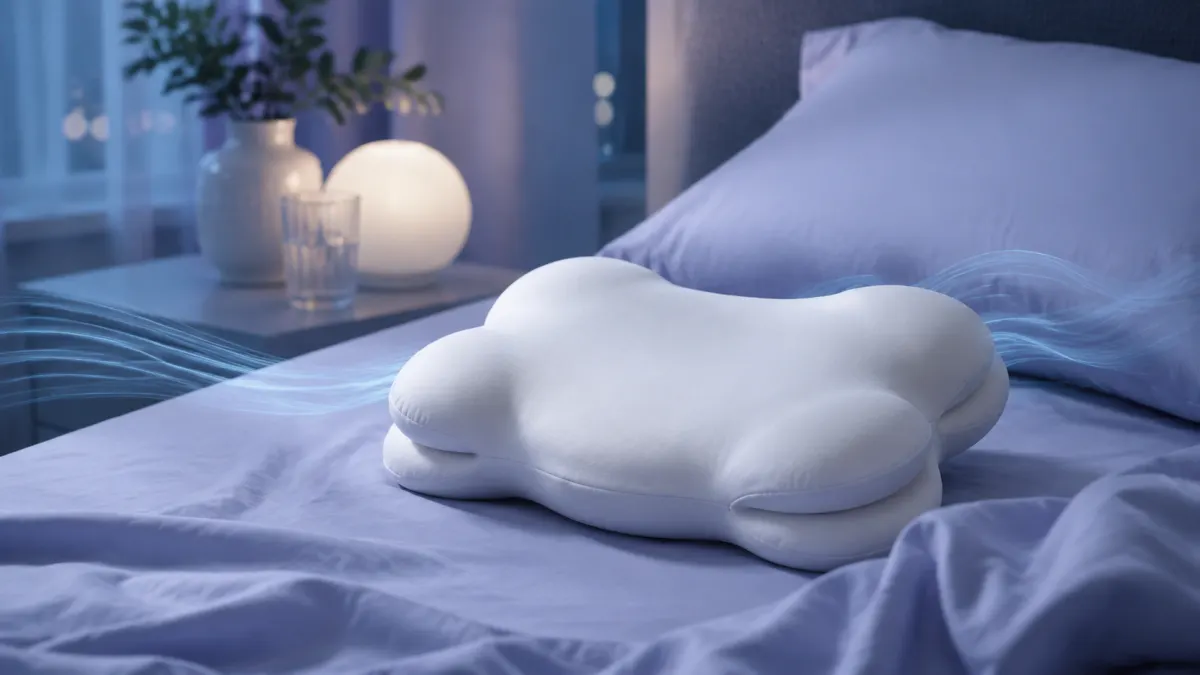
Buying brief
Decide before you shop.
Best fit
Best fit: shoppers who want a soft, supportive Cloud Pillow feel while still checking height, heat, care, and trial fit.
Skip if
Skip it if you need an ultra-firm contour pillow, an extremely low pillow, or a medical recommendation rather than a comfort trial.
Heat source
Decide whether the main problem is head-level sweat, pillowcase moisture, and warm face contact.
Air and moisture path
Look for a breathable cover, lighter case, and less face-burying contact.
Height stability
A cooler pillow still fails if it leaves the head too low or too high.
Home test
Judge after several normal nights when the pillow has warmed up fully.
Try the Lumuwala fit
Cloud Pillow is the product this guide points back to.
Lumuwala fits the cooling pillow for sweaty head at night search when the buyer wants cooling comfort tied to pillow height, not just a chilly first touch. It is strongest for shoppers who rotate between side and back sleep and want to test the heat story at home.
See if Cloud Pillow fits hot sleepersCluster links
Keep reading in this sleep path.
A sweaty head is a clue, not a diagnosis
A warm pillow can make the head and neck sweat. So can a hot room, a dense foam mattress, synthetic pillowcase, heavy duvet, fever, medication, alcohol, menopause symptoms, anxiety, infection, or another health issue. The useful pillow question is smaller: does the surface under your head trap heat and moisture enough to wake you or make you keep flipping sides?
If sweating is new, drenching, paired with fever, weight change, chest symptoms, faintness, unusual fatigue, or any symptom that feels medically different, skip the pillow-first answer and get care. If the pattern is familiar and seems tied to the pillow surface, bedding, or room, then a cooling pillow trial is reasonable. Keep those two categories separate.
What sleep-temperature research says
Research on nocturnal sweating shows that thermal conditions can influence body temperatures and sweating patterns during sleep, and that sweating responses vary across sleep stages. A 2019 warm-room sleepwear study also shows why fabric and moisture handling matter: the body is sleeping inside a material system, not on a single isolated surface.
Newer heat-and-sleep research points in the same practical direction. A 2026 systematic review on heat-exposed workers found that heat exposure consistently impaired sleep quality and duration, with reports that included restlessness, night sweats, and reduced total sleep time. A 2024 review of passive sleep thermal-comfort strategies treats bedroom cooling as a system problem. A pillow helps only one part of that system.
Try the Lumuwala fit
Cloud Pillow is the product this guide points back to.
Lumuwala fits the cooling pillow for sweaty head at night search when the buyer wants cooling comfort tied to pillow height, not just a chilly first touch. It is strongest for shoppers who rotate between side and back sleep and want to test the heat story at home.
Test the cooling setup at homeSeparate pillow sweat from room sweat
Pillow sweat usually feels local. The hairline, cheek, neck, or ear gets damp first, and the pillowcase feels warm or sticky where your head stayed. Room sweat feels broader: chest, back, legs, and blanket layers all feel wrong. That distinction is not perfect, but it keeps the pillow from taking blame for the whole bedroom.
Run a three-night observation before buying. Keep the room, blanket, and bedtime routine steady. Each morning, write down where the dampness started, whether the pillowcase dried by morning, how many times you flipped the pillow, and whether the mattress or duvet also felt hot. If the whole bed is warm, a cooler pillow may help the head and still leave the night uncomfortable.
Hair and skincare can confuse the test. Heavy leave-in products, oil-based skincare, and a pillowcase that has not been washed recently can make the surface feel damp faster. That does not mean the sleeper caused the problem. It means the pillow surface is being asked to handle more moisture and residue than the product page admits.
Surface fabric can make or break the pillow
A pillow core can be breathable while the case traps moisture. Thick protectors, waterproof covers, dense polyester cases, and hair products can all change the surface feel. A shopper who skips the case check may replace the pillow and keep the real heat trap.
Test the case before the core if the pillow support is otherwise good. Try a thinner breathable pillowcase for several nights. Wash the cover if it has collected oil or product. Remove a bulky protector if it is optional. If those changes reduce sweat, the pillow may not be the main problem. If nothing changes, the core and room deserve a closer look.
Also check where the pillow sits. A pillow pushed tight against an upholstered headboard may lose airflow at the back edge. A pillow buried under decorative shams can start the night warm. Keep the test boring: one pillow, one breathable case, no extra cover folded over the top.
Cooling still has to support the neck
A colder pillow that collapses is not a good pillow. Hot sleepers move more, flip more, and often end up with the neck half-supported by a folded corner. That creates a second problem by morning: the pillow may feel cooler, but the neck has spent the night chasing height.
Judge temperature and support together. The head should not sink so far that the neck drops. The chin should not be forced toward the chest. The surface should not press the ear or jaw. Cooling is useful only if the pillow still holds a calm position after it warms up.
A seven-night sweaty-head test
Use seven nights because heat varies with weather, room humidity, alcohol, workouts, stress, and bedding. Track first-touch feel, sweat location, pillow flips, case dampness, whether you settle again after waking, and neck support. Do not judge from one cool night or one bad heat spike.
Change one variable at a time. Nights one and two: current pillow and current case. Nights three and four: same pillow with a breathable case. Nights five through seven: test the new cooling pillow if the old setup still feels local and damp. Keep the blanket and room as steady as possible so the pillow result is readable.
The useful result is specific: fewer flips, less damp hairline moisture, less sticky cover feel, and no new neck or jaw pressure. If the result is vague, do not invent certainty. The pillow may be decent, while the room, mattress, or health context is doing more of the work.
If the dampness appears only after a hot workout, late meal, or unusually warm room, repeat the test on a normal night before deciding. A pillow should be judged on the pattern, not the outlier.
What to look for
Look for a breathable washable cover, a core that avoids dense heat buildup, clear care rules, stable support, and a return policy. Gel can help the first touch, but airflow and moisture handling decide the later hours. If a product page only talks about instant coldness, it is skipping the part of the night that matters.
Avoid claims that promise to stop night sweats. A pillow can make the head-level surface cooler and less clammy. It cannot diagnose why you sweat, treat a medical condition, or fix an overheated room. Strong product copy should be plain about that limit.
Where Lumuwala fits
Lumuwala Cloud Pillow is a reasonable test when the sweat feels local to the pillow surface, the current pillow traps heat, or constant flipping is breaking support. The gel-infused foam and breathable cover are designed for heat buildup, while the medium-firm core keeps shape after the first hour.
The 6 inch profile still has to fit your position. Side sleepers may like the stable height. Petite back sleepers or stomach sleepers may find it too tall. A sweaty-head query should not override neck-angle basics. If the pillow cools the head but pushes the chin or jaw into a bad position, return it.
During the trial, judge the pillow after it has warmed up. First-touch coolness is easy. The harder test is hour three, after body heat, hair, skin oils, and room humidity have all joined the bed. If the cover still feels usable, the core still supports, and you flip less, the result is meaningful.
Also judge cleanup. A sweaty pillow has to be easy to keep fresh. If the cover washes clean, dries well, and does not hold odor, the pillow is easier to live with. If maintenance becomes fussy, the cooling benefit has to be strong enough to justify that friction.
Keep health clues separate. If sweating becomes drenching, unexplained, or paired with other symptoms, the pillow test stops. That boundary makes the product decision cleaner, not weaker.
If Lumuwala almost works, test the case before abandoning the core. A crisp cotton or cooling-performance case can change the surface feel more than shoppers expect. If the same damp patch returns with every case, the room or the sleeper's heat pattern may be louder than the pillow.
The keeper signal is practical: fewer flips, fresher cover feel, steady neck support, and no new pressure points. Anything less specific is a weak result.
Where Cloud Pillow does and does not fit
Good fit
Lumuwala fits the cooling pillow for sweaty head at night search when the buyer wants cooling comfort tied to pillow height, not just a chilly first touch. It is strongest for shoppers who rotate between side and back sleep and want to test the heat story at home.
Not the fit
Lumuwala is not the right fit for every cooling pillow for sweaty head at night shopper. Do not buy it as a substitute for medical care, as a rigid prescription contour, or as a promise that a pillow alone can fix the room, mattress, or health factors behind poor sleep.
Questions shoppers ask
What is the quick answer for cooling pillow for sweaty head at night?
Focus on head-level sweat, pillowcase moisture, and warm face contact. The right pillow should solve that main job while keeping height, heat, care, and return risk in balance.
Where does Lumuwala Cloud Pillow fit in cooling pillow for sweaty head at night?
It fits when you want a soft support pillow to test at home with the current policy details in view and you are not looking for a rigid medical contour.
Will a cooling pillow stay cold all night?
No honest pillow stays cold all night. A better goal is slower heat buildup, better moisture handling, and fewer wakeups to flip or rebuild the pillow.
How many nights should I test the pillow?
Use several normal nights, not one nap or one showroom squeeze. Keep the same pillowcase, mattress, and bedding so the pillow is the main variable.
What should I write down during the test?
Track heat timing, pillow flips, folds, stacking, pressure at the jaw or ear, shoulder load, neck angle, and morning comfort.
Is a higher pillow always better?
No. Side sleepers often need more loft than stomach sleepers, but too much height can tilt the neck upward or push a back sleeper's chin down.
When should I stop self-testing?
Stop and get medical guidance if symptoms are persistent, worsening, nerve-like, tied to injury, or include weakness, numbness, dizziness, or breathing concerns.
What makes an article trustworthy for pillow shopping?
Trust pages that separate fit guidance from medical claims, cite real sources, disclose evidence limits, and avoid invented review counts, ratings, or lab measurements.
Sources
- Sagot JC, Amoros C, Candas V, Libert JP. Sweating responses and body temperatures during nocturnal sleep in humans. PubMed PMID: 3826411.
- Chow CM, Shin M, Mahar TJ, et al. Sleepwear fiber type and sleep quality under warm ambient conditions. PubMed PMID: 31692485.
- Raja M, Venugopal V, Mathangi DC, et al. Impacts of heat on sleep quality among heat-exposed workers. PubMed PMID: 41680965.
- Aijazi A, Parkinson T, Zhang H, Schiavon S. Passive and low-energy strategies to improve sleep thermal comfort. PubMed PMID: 38822004.