Sleep position guide
Best Pillow for Back Sleepers With Neck Pain
Back sleepers with neck pain need a quiet neck angle, not the tallest contour on the shelf. Test chin position, neck fill, mattress sink, and morning symptoms separately.
Quick answer
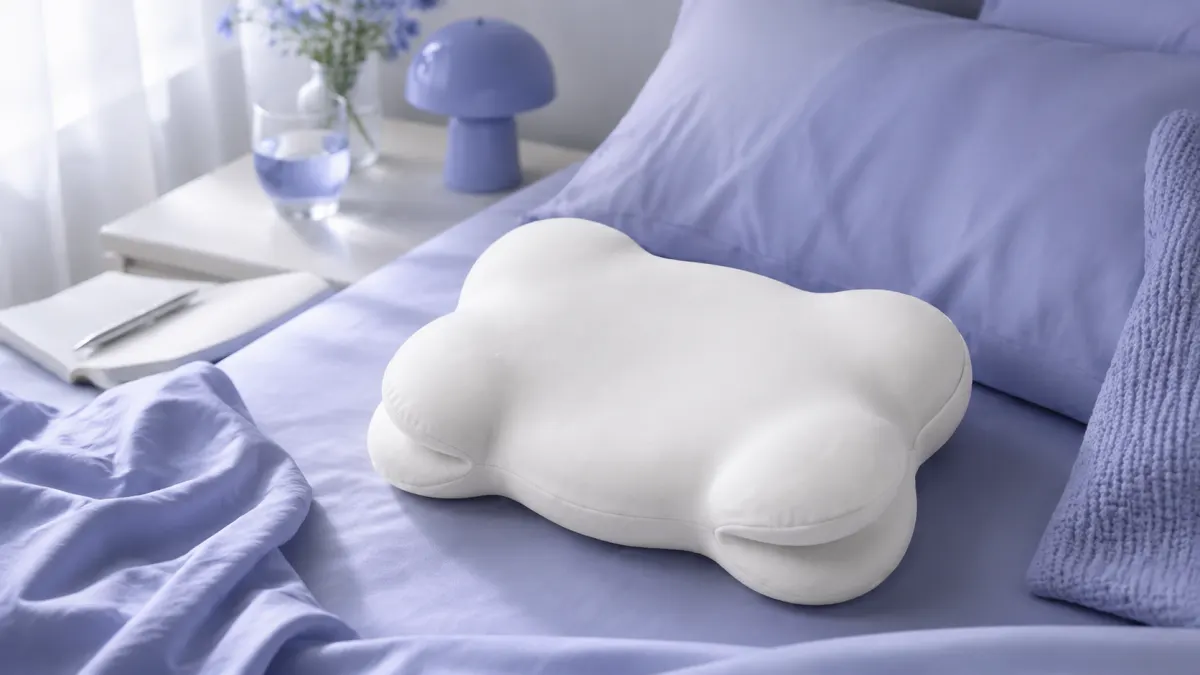
For pillow for back sleepers with neck pain, the useful answer is to solve back-sleeper chin angle, neck fill, and skull-base pressure without creating a worse tradeoff. Best fit: back or back/side sleepers who want a medium support target without a tall wedge feeling. Lumuwala Cloud Pillow is worth considering when you want a plush support feel, cooler sleep surface, and a current-policy home trial. Skip the self-test and talk to a clinician if symptoms are persistent, worsening, one-sided, nerve-like, or linked to injury.
Founder and primary Lumuwala byline
Edited by Anya for editorial content editor
Buying brief
Decide before you shop.
Best fit
Best fit: back or back/side sleepers who want a medium support target without a tall wedge feeling.
Skip if
Skip the self-test and talk to a clinician if symptoms are persistent, worsening, one-sided, nerve-like, or linked to injury.
Pattern
Map the complaint to back-sleeper chin angle, neck fill, and skull-base pressure; do not treat the pillow as a diagnosis.
Position fit
Check side, back, or stomach height separately because each changes neck angle.
Pressure points
Notice jaw, ear, shoulder, skull-base, and arm pressure after several hours.
Care boundary
Persistent or worsening symptoms deserve medical advice before product testing.
Try the Lumuwala fit
Cloud Pillow is the product this guide points back to.
Lumuwala fits when the issue looks like a comfort setup problem: pillow collapse, unstable height, heat-driven turning, or pressure from an old pillow. It should be judged as a comfort product, not a treatment.
Try Cloud Pillow for back/side supportCluster links
Keep reading in this sleep path.
Start with the back-sleeping angle
Back sleeping can look simple from the outside. The head is centered, the shoulders are flat, and the pillow does not have to fill a large side-sleeper shoulder gap. In practice, back sleepers with neck pain often have a smaller but stricter problem: the pillow changes the chin angle for hours.
If the pillow is too tall, the chin moves toward the chest. If it is too low, the throat can feel stretched and the neck can feel unsupported. Either direction can make a sensitive neck wake up before the alarm.
A pillow can help remove one source of strain. It cannot diagnose neck pain, fix an injury, or replace care when pain is severe, spreading, traumatic, neurologic, or getting worse. Keep that boundary clear before testing any product.
What pillow research can say
A 2025 systematic review looked at pillow effects on pain, disability, and sleep quality in people with chronic neck pain. Earlier reviews and height studies also connect pillow design with waking symptoms, sleep quality, cervical alignment, muscle activity, and comfort. The useful message is not that one pillow shape wins for everyone. It is that height and support are real variables.
Lei and colleagues reviewed ergonomic pillow-height determinants and evaluation. Sacco and colleagues found that pillow height changed neck and mid-upper-back muscle activity and comfort. A 2021 systematic review reported effects of pillow design on neck pain, waking symptoms, sleep quality, and spinal alignment.
For a back sleeper, those findings point to a home test. Judge the pillow by what it does to the head, neck, and upper back after the shoulders settle, not by how supportive it feels while sitting up in bed.
Try the Lumuwala fit
Cloud Pillow is the product this guide points back to.
Lumuwala fits when the issue looks like a comfort setup problem: pillow collapse, unstable height, heat-driven turning, or pressure from an old pillow. It should be judged as a comfort product, not a treatment.
Use the guide, then test the fitRead chin angle before loft
The first back-sleeper check is chin position. Lie down, let the shoulders drop, and notice where the chin wants to go. A tall pillow can make the back of the head ride high and push the chin down. That can feel cozy for a minute and irritating by morning.
A pillow that is too low has a different signature. The head tips back, the neck feels hollow, or the sleeper pulls a hand under the neck. Some people solve that by stacking a second pillow, then create the chin-tuck problem the next night.
Use small changes. A folded towel under the neck changes support without turning the whole pillow into a ramp. Removing a thick protector can lower the stack without buying anything. These tiny tests show direction.
Do not score the pillow while reading or watching video propped high. That is not the sleep angle. Back-sleeper neck pain needs the pillow judged in the final sleeping position, after the body is relaxed and the phone is away.
The best sign is boring: the chin feels neutral, the throat does not feel stretched, and the neck does not beg for a hand under it. If the position feels forced, it probably will not improve at 3am.
Neck support is different from height
Back sleepers often confuse neck support with more loft. The neck may need a gentle fill under the curve while the head stays lower. A pillow that raises everything evenly can make the head too high while still leaving the neck unsatisfied.
Contour pillows try to solve that split, but contour depth is personal. A ridge that fits one neck can feel like a hard bar to another. A flatter pillow can work if it supports the curve softly enough and does not collapse by morning.
Look for the sleepy habits. If the pillow is folded under the neck, the sleeper is asking for more neck fill. If the pillow is shoved away, it may be too tall, too hot, or too firm. If the head slides to the edge, the surface may not hold a stable position.
Neck pain also makes pressure matter. A pillow can have the right height but the wrong feel at the skull base. Local pressure under the head can make a sleeper move all night, which ruins the clean angle that looked good at bedtime.
The mattress changes the same pillow
A soft mattress can let the upper back sink and make a medium pillow act tall. A firm mattress can keep the upper back higher and make the same pillow act lower. That is why inch numbers do not travel cleanly from one bedroom to another.
A broad-shouldered sleeper can also need a different back-sleeping height than a petite sleeper. Shoulder mass and upper-back shape change how the head arrives at the pillow. The pillow sits on the bed, but the body decides the angle.
If a topper, new mattress, wedge, or thick protector enters the setup, retest pillow height. A pillow that was right on a firm surface can become wrong after the shoulders sink more.
Heat can confuse the read too. A warm pillow can make the sleeper turn, lift the head, or shove the pillow down. For neck-pain testing, a cooler surface is useful when it helps the sleeper stay in the measured position.
A seven-night back-sleeper test
Use seven nights if symptoms are mild enough for a low-risk setup test. Record starting position, waking position, chin tuck, throat stretch, hand-under-neck habit, heat, and morning pain. The note should take less than a minute.
Nights one and two are the current setup. Night three removes a thick case or protector if the stack feels high. Night four adds a small neck-fill test if the neck feels hollow. Night five changes only heat variables: lighter case, cleaner cover, or cooler room if possible.
Nights six and seven repeat the best setup. Do not change pillow, stretching, desk setup, mattress, and workout routine in the same week if the goal is to judge the pillow.
A useful result is less morning checking, less stiffness at the skull base, fewer pillow rebuilds, and no new jaw or shoulder pressure. A perfect morning is not required. A repeatable direction is enough.
Stop the test if symptoms worsen or spread. Pillow testing should feel like troubleshooting, not endurance. Neck pain that ignores reasonable setup changes deserves care instead of more product swapping.
Use the first waking minute as data. If the neck is guarded before the feet hit the floor, the overnight angle probably matters. If the neck feels fine at wakeup and tightens after coffee, desk work or phone posture may be louder than the pillow.
The strongest result is boring repeatability. If the same setup works after a normal workday, a lighter day, and a restless night, the pillow probably fits the back-sleeping angle better than the old one.
Common mistakes
The first mistake is buying the tallest cervical pillow because pain feels serious. More shape can mean more neck force.
The second mistake is stacking two pillows. Stacking often fixes neck emptiness for five minutes, then pushes the chin down for hours.
The third mistake is judging from a reclined reading position. A back sleeper who reads high is testing a lounge setup, not sleep.
The fourth mistake is ignoring the pillowcase and protector. A thick, hot, or slippery layer can change both height and movement.
The fifth mistake is treating every morning as a pillow verdict. Stress, training, long screen time, and sleeping in one position too long can all change the neck. Repeat the same setup before blaming it.
The sixth mistake is using pain relief in one spot as the whole score. A pillow that calms the neck but creates jaw pressure or upper-back tension is still a mixed fit.
The seventh mistake is keeping a pillow because it feels premium. Back-sleeper neck pain does not care about premium. It cares about angle, neck fill, pressure, and repeatable mornings.
Where Lumuwala fits
Lumuwala Cloud Pillow can work for back sleepers with neck pain when the current pillow collapses, heats up, or leaves the neck unsupported. The medium-firm 6 inch profile gives a stable surface, and the cover can reduce heat-driven movement during the test.
It may be too tall for petite back sleepers, strict low-loft sleepers, or people on soft mattresses where the upper back sinks. The first Lumuwala test is chin angle. If the chin tucks down clearly, do not force the fit.
If the chin stays neutral and the neck feels filled without hard pressure, give it several ordinary nights. Look for fewer pillow folds, less skull-base checking, calmer morning stiffness, and no new jaw or shoulder pressure.
The trial should include the real pillowcase and the real room temperature. A bare pillow test can flatter surface feel, and a warm bedroom can push a good support setup into restless movement. Test the whole sleep setup before keeping it.
Keep the verdict narrow. Lumuwala can be the right pillow for the sleep angle and still leave a daytime neck problem untouched. That is useful information. The night setup and the day load should be judged separately.
Where Cloud Pillow does and does not fit
Good fit
Lumuwala fits when the issue looks like a comfort setup problem: pillow collapse, unstable height, heat-driven turning, or pressure from an old pillow. It should be judged as a comfort product, not a treatment.
Not the fit
Lumuwala is not the right fit for every pillow for back sleepers with neck pain shopper. Do not buy it as a substitute for medical care, as a rigid prescription contour, or as a promise that a pillow alone can fix the room, mattress, or health factors behind poor sleep.
Questions shoppers ask
What is the quick answer for pillow for back sleepers with neck pain?
Focus on back-sleeper chin angle, neck fill, and skull-base pressure. The right pillow should solve that main job while keeping height, heat, care, and return risk in balance.
Where does Lumuwala Cloud Pillow fit in pillow for back sleepers with neck pain?
It fits when you want a soft support pillow to test at home with the current policy details in view and you are not looking for a rigid medical contour.
Can a pillow treat pain or numbness?
No. A pillow may reduce one comfort variable, such as height, pressure, or heat, but persistent or nerve-like symptoms should be discussed with a clinician.
How many nights should I test the pillow?
Use several normal nights, not one nap or one showroom squeeze. Keep the same pillowcase, mattress, and bedding so the pillow is the main variable.
What should I write down during the test?
Track heat timing, pillow flips, folds, stacking, pressure at the jaw or ear, shoulder load, neck angle, and morning comfort.
Is a higher pillow always better?
No. Side sleepers often need more loft than stomach sleepers, but too much height can tilt the neck upward or push a back sleeper's chin down.
When should I stop self-testing?
Stop and get medical guidance if symptoms are persistent, worsening, nerve-like, tied to injury, or include weakness, numbness, dizziness, or breathing concerns.
What makes an article trustworthy for pillow shopping?
Trust pages that separate fit guidance from medical claims, cite real sources, disclose evidence limits, and avoid invented review counts, ratings, or lab measurements.
Sources
- Ghosh S, Goyal M, Goyal K. Effect of pillow on pain, disability and sleep quality in patients with chronic neck pain. PubMed PMID: 40633255.
- Lei JX, Yang PF, Yang AL, et al. Ergonomic consideration in pillow height determinants and evaluation. PubMed PMID: 34683013.
- Chun-Yiu JP, Man-Ha ST, Chak-Lun AF. Effects of pillow designs on neck pain, waking symptoms, sleep quality and spinal alignment. PubMed PMID: 33895703.
- Sacco IC, Pereira IL, Dinato RC, et al. Pillow height, neck and mid-upper-back muscle activity, and comfort. PubMed PMID: 26209581.