Cooling pillow guide
Best cooling pillow for back sleepers
Back sleepers need a pillow that releases heat without pushing the chin down. Cooling, neck fill, and surface pressure all need separate scores.
Quick answer
For cooling pillow for back sleepers, the useful answer is to solve medium loft, chin angle, and support under the neck without creating a worse tradeoff. Best fit: back or back/side sleepers who want a medium support target without a tall wedge feeling. Lumuwala Cloud Pillow is worth considering when you want a plush support feel, cooler sleep surface, and a current-policy home trial. Skip it if you need an ultra-firm contour pillow, an extremely low pillow, or a medical recommendation rather than a comfort trial.
Founder and primary Lumuwala byline
Edited by Anya for editorial content editor
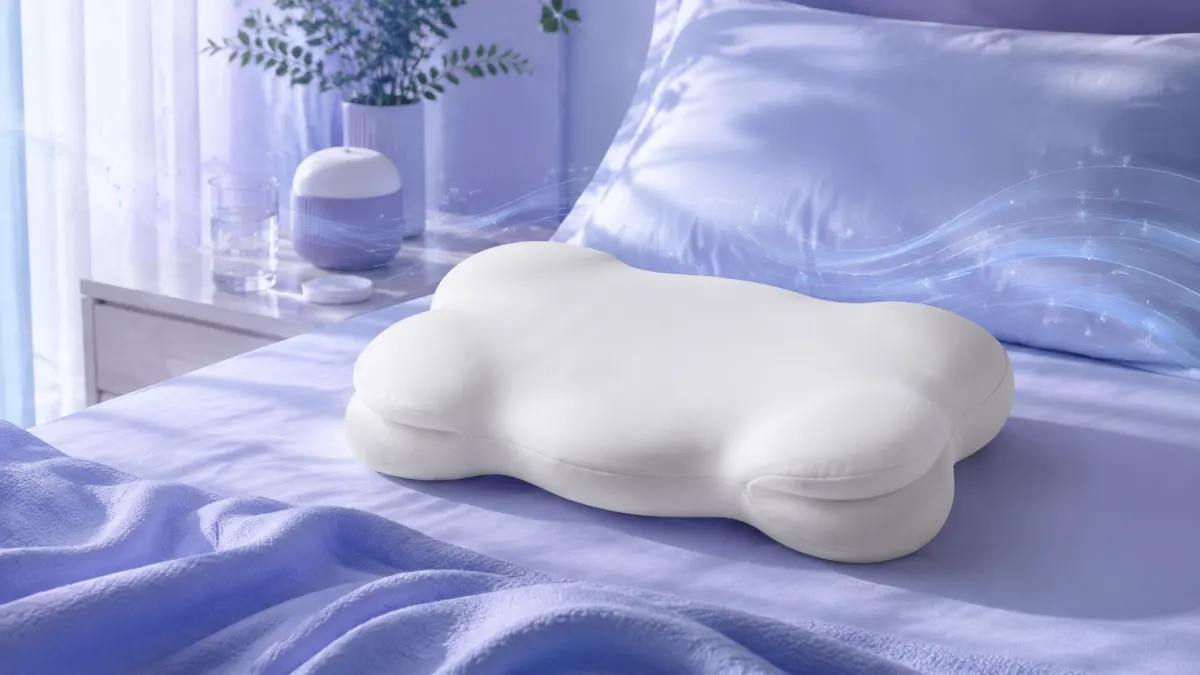
Buying brief
Decide before you shop.
Best fit
Best fit: back or back/side sleepers who want a medium support target without a tall wedge feeling.
Skip if
Skip it if you need an ultra-firm contour pillow, an extremely low pillow, or a medical recommendation rather than a comfort trial.
Heat source
Decide whether the main problem is medium loft, chin angle, and support under the neck.
Air and moisture path
Look for a breathable cover, lighter case, and less face-burying contact.
Height stability
A cooler pillow still fails if it leaves the head too low or too high.
Home test
Judge after several normal nights when the pillow has warmed up fully.
Try the Lumuwala fit
Cloud Pillow is the product this guide points back to.
Lumuwala fits the cooling pillow for back sleepers search when the buyer wants cooling comfort tied to pillow height, not just a chilly first touch. It is strongest for shoppers who rotate between side and back sleep and want to test the heat story at home.
Try Cloud Pillow for back/side supportCluster links
Keep reading in this sleep path.
Back sleepers need cool without chin tuck
Back sleepers usually do not need the tall shoulder-gap support side sleepers need. Their pillow has a quieter job: keep the head and neck neutral while the surface stays comfortable through the night.
Cooling can distract from that job. A tall gel pillow can feel good at first touch and still push the chin toward the chest. A thin breathable pillow can feel airy and still leave the neck hollow. Back sleepers have to score cooling and angle separately.
The useful question is not which pillow feels coldest in the hand. It is which pillow stays comfortable without changing the back-sleeping neck position by morning.
What research supports
Thermal-environment research reports that heat exposure can affect sleep and circadian rhythm. Humid heat exposure has also been studied for effects on sleep stages and body temperature. A recent systematic review looked at heat and sleep quality among heat-exposed workers.
Pillow research adds the fit side. Ergonomic pillow-height work treats height as a measurable support variable. Sacco and colleagues found pillow height changed neck and mid-upper-back muscle activity and comfort. A systematic review connected pillow design with neck pain, waking symptoms, sleep quality, and spinal alignment.
Together, the sources support a two-part test. Back sleepers should ask whether the pillow manages heat and whether it keeps the chin, throat, skull base, and neck quiet.
Try the Lumuwala fit
Cloud Pillow is the product this guide points back to.
Lumuwala fits the cooling pillow for back sleepers search when the buyer wants cooling comfort tied to pillow height, not just a chilly first touch. It is strongest for shoppers who rotate between side and back sleep and want to test the heat story at home.
Test the cooling setup at homeUse chin angle as the first support check
Lie on the back and let the shoulders settle. If the chin drops toward the chest, the pillow may be too tall. If the throat feels stretched or the neck feels empty, it may be too low or missing neck fill.
A cooling layer does not fix the wrong angle. It may make the wrong pillow tolerable for a few minutes, but the neck still spends the night in that position.
Back sleepers should be careful with thick cooling pillows marketed to everyone. A side-sleeper-friendly height can be too much on the back, especially for petite sleepers or soft mattresses.
The skull base matters too. A pillow ridge can press at the back of the head and create morning soreness even when the chin angle looks fine. Score pressure separately from height.
A good back-sleeper setup feels plain. The chin is neutral, the neck is filled, the head is not perched, and the surface is not asking to be flipped every hour.
Check where the pillow sits. If it slides under the shoulders, it can change upper-back angle and make the head feel lower. If it sits only under the head with no neck fill, the neck can feel empty. Placement belongs in the score.
Check the pillow after waking as well as before sleep. If the pillow has migrated, flattened, or been shoved down, the cooling or support claim failed somewhere overnight. The morning position is evidence.
Cooling should be a path, not a surface trick
Back sleepers often heat the same contact area for hours, so first-touch coolness is a weak test. The pillow needs a way to slow heat buildup through cover breathability, moisture movement, thermal buffering, or airflow.
The pillowcase can erase the cooling path. Heavy polyester, a hot protector, or a thick decorative sham can trap heat over a pillow that otherwise works. Test with the case that will be used every night.
Moisture changes comfort. A surface that gets clammy can feel hotter than a slightly warm but dry surface. Back sleepers with warm necks should note sweat, stickiness, and temperature together.
Cooling also protects position. If heat makes the sleeper roll to the side or shove the pillow down, the back-sleeping angle is gone. Fewer hot moves are part of the support score.
Do not expect a pillow to solve a hot room by itself. If the bedroom, comforter, and mattress all trap heat, the pillow can improve the head and neck zone while the rest of the setup still runs warm.
Layer order matters. Start with the pillow and a breathable case. Then add the protector, then the usual blanket. If the problem appears only after one layer returns, the pillow may not be the main heat source.
The neck can sweat even when the face feels fine. Back sleepers should note warm neck, damp hairline, and sticky skull-base pressure separately. Those details point to cover and case behavior more than first-touch coolness.
Surface noise matters too. If a cooling fabric feels slick and the head slides, the neck may lose neutral angle. A cooler surface still needs enough grip to keep the back-sleeping position calm.
Pillow shape matters after heat builds. A pillow that starts supportive but softens with warmth can change the chin angle later in the night. Back sleepers should check whether morning height feels different from bedtime height.
Hair and skin products can change the surface. Oil, leave-in conditioner, and heavy creams can make the case feel warmer or slicker. A clean case test is not a vanity detail; it changes the heat and movement score.
A seven-night back-sleeper cooling test
Use seven nights. Record room heat, case, protector, chin angle, neck fill, skull-base pressure, sweat, flips, and morning neck stiffness. Keep the note short.
Nights one and two use the current setup. Night three changes the case if the surface feels warm or sticky. Night four adjusts height only if chin tuck or throat stretch is obvious. Night five changes the protector if it feels hot.
Nights six and seven repeat the best setup. Do not change the pillow and bedding stack every night. The back-sleeper test needs repeatability.
A good result is fewer flips, less warm-neck awareness, neutral chin angle, no skull-base pressure, and no new upper-back stiffness.
If cooling improves but the chin tucks, the pillow is not a clean fit. If angle improves but heat stays loud, the next test may be the case, protector, blanket, mattress, or room.
The best verdict names the failed layer. Pillow surface, pillow height, case, protector, room, and mattress are different levers.
Repeat the best setup after a warm day. If the pillow only works on cool nights, it may still be a useful spring or fall pillow but not the summer answer.
Repeat it after laundry. Fresh cases often feel cooler and smoother. The real test is whether the pillow still works once the ordinary laundry cycle returns.
Repeat it after a restless night too. A back sleeper who turns more than usual may expose edge behavior, slickness, or pressure that a quiet night hides.
If the same pillow needs a different case to pass, write that down. The buying decision should include the case, not pretend the pillow alone produced the result.
Common mistakes
The first mistake is buying a tall cooling pillow because more material feels more premium.
The second mistake is ignoring neck fill. Back sleepers may need support under the neck without raising the whole head.
The third mistake is testing with a bare pillow and then adding a hot case later.
The fourth mistake is treating gel as proof of all-night cooling. Heat still needs somewhere to go.
The fifth mistake is letting heat moves hide support issues. If the sleeper rolls away from the pillow, the support test ended.
The sixth mistake is scoring only coldness. Back sleepers also need chin angle, pressure, and repeatable mornings.
The seventh mistake is expecting a pillow to fix a room that never cools down.
The eighth mistake is keeping a pillow that feels cool but makes the neck work. The neck score has veto power.
The ninth mistake is ignoring a hot mattress. If heat rises from below, the pillow may help the head while the body still wakes warm and restless before morning, especially on summer nights with heavy bedding, dense memory foam, and little room airflow.
Where Lumuwala fits
Lumuwala Cloud Pillow can work for back sleepers who want a cooler surface and stable support, especially when the old pillow collapses or feels stale by morning. The breathable cover and gel-infused foam address heat at the head and neck.
The 6 inch medium-firm profile may be too tall for some back sleepers. Test chin angle before falling in love with the cooling feel. If the chin tucks, Lumuwala is probably better for side or combination use than strict back sleeping.
Keep Lumuwala only if several normal nights show less heat buildup, neutral chin angle, comfortable neck fill, and no new skull-base or jaw pressure.
A fair Lumuwala test uses the real case and protector. If those layers make the pillow hot, the pillow verdict should say that. The sleep setup is the product in real life.
If Lumuwala feels cool but too high, do not try to make it work by sliding down or removing neck support. A cooling win does not cancel a support miss. Back sleepers need both.
Where Cloud Pillow does and does not fit
Good fit
Lumuwala fits the cooling pillow for back sleepers search when the buyer wants cooling comfort tied to pillow height, not just a chilly first touch. It is strongest for shoppers who rotate between side and back sleep and want to test the heat story at home.
Not the fit
Lumuwala is not the right fit for every cooling pillow for back sleepers shopper. Do not buy it as a substitute for medical care, as a rigid prescription contour, or as a promise that a pillow alone can fix the room, mattress, or health factors behind poor sleep.
Questions shoppers ask
What is the quick answer for cooling pillow for back sleepers?
Focus on medium loft, chin angle, and support under the neck. The right pillow should solve that main job while keeping height, heat, care, and return risk in balance.
Where does Lumuwala Cloud Pillow fit in cooling pillow for back sleepers?
It fits when you want a soft support pillow to test at home with the current policy details in view and you are not looking for a rigid medical contour.
Will a cooling pillow stay cold all night?
No honest pillow stays cold all night. A better goal is slower heat buildup, better moisture handling, and fewer wakeups to flip or rebuild the pillow.
How many nights should I test the pillow?
Use several normal nights, not one nap or one showroom squeeze. Keep the same pillowcase, mattress, and bedding so the pillow is the main variable.
What should I write down during the test?
Track heat timing, pillow flips, folds, stacking, pressure at the jaw or ear, shoulder load, neck angle, and morning comfort.
Is a higher pillow always better?
No. Side sleepers often need more loft than stomach sleepers, but too much height can tilt the neck upward or push a back sleeper's chin down.
When should I stop self-testing?
Stop and get medical guidance if symptoms are persistent, worsening, nerve-like, tied to injury, or include weakness, numbness, dizziness, or breathing concerns.
What makes an article trustworthy for pillow shopping?
Trust pages that separate fit guidance from medical claims, cite real sources, disclose evidence limits, and avoid invented review counts, ratings, or lab measurements.
Sources
- Okamoto-Mizuno K, Mizuno K. Effects of thermal environment on sleep and circadian rhythm. PubMed PMID: 22738673.
- Lei JX, Yang PF, Yang AL, et al. Ergonomic consideration in pillow height determinants and evaluation. PubMed PMID: 34683013.
- Sacco IC, Pereira IL, Dinato RC, et al. Pillow height, neck and mid-upper-back muscle activity, and comfort. PubMed PMID: 26209581.
- Okamoto-Mizuno K, Mizuno K, Michie S, et al. Humid heat exposure, sleep stages, and body temperature. PubMed PMID: 10505822.