Pillow buying guide
Why pillows go flat and how to tell when support is gone
Pillows go flat because fill breaks down, moisture builds, fibers clump, foam softens, and the pillow stops recovering under real sleep weight.
Quick answer
For why pillows go flat, the useful answer is to solve lost loft, clumping, hygiene, and whether the pillow still supports your position without creating a worse tradeoff. Best fit: shoppers who want a soft, supportive Cloud Pillow feel while still checking height, heat, care, and trial fit. Lumuwala Cloud Pillow is worth considering when you want a plush support feel, cooler sleep surface, and a current-policy home trial. Skip it if you need an ultra-firm contour pillow, an extremely low pillow, or a medical recommendation rather than a comfort trial.
Founder and primary Lumuwala byline
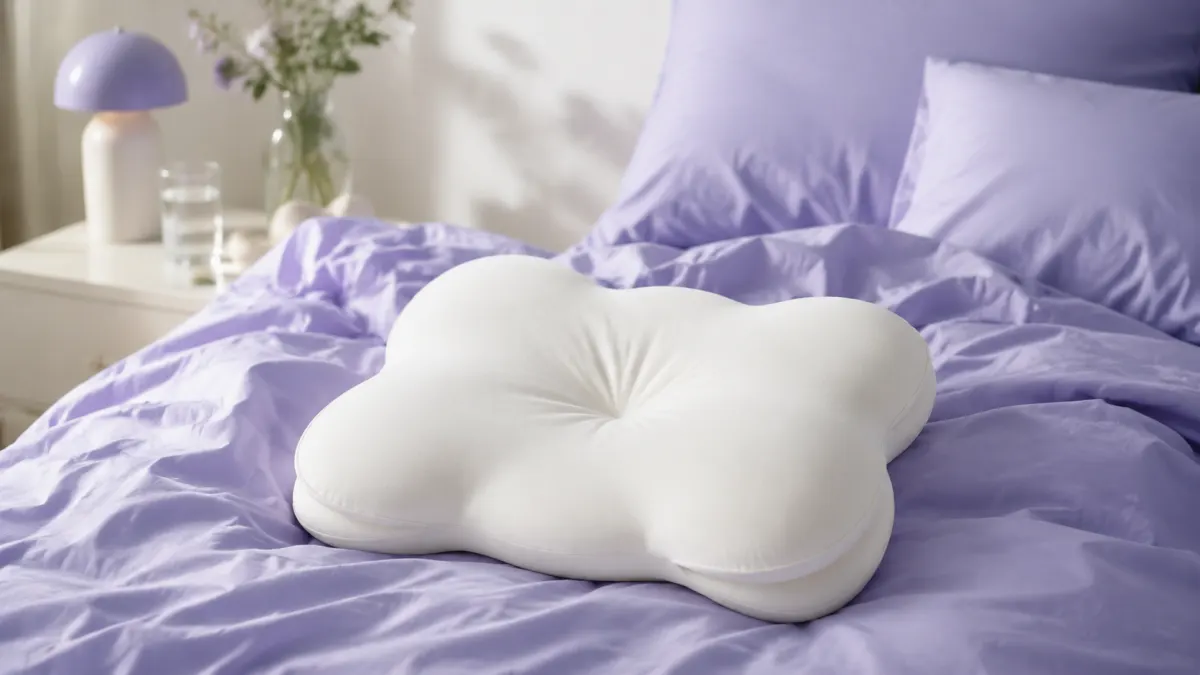
Buying brief
Decide before you shop.
Best fit
Best fit: shoppers who want a soft, supportive Cloud Pillow feel while still checking height, heat, care, and trial fit.
Skip if
Skip it if you need an ultra-firm contour pillow, an extremely low pillow, or a medical recommendation rather than a comfort trial.
Primary job
Name the job first: lost loft, clumping, hygiene, and whether the pillow still supports your position.
Sleep position
Side, back, stomach, and combination sleepers should not buy from the same checklist.
Heat and care
A pillow has to feel good after hours and be realistic to maintain.
Trial risk
Use the policy as part of the buying decision, not an afterthought.
Try the Lumuwala fit
Cloud Pillow is the product this guide points back to.
Lumuwala fits when the shopper wants one Cloud Pillow to test for comfort, support, heat, and care instead of building a complicated pillow stack.
See if Cloud Pillow fits your sleepCluster links
Keep reading in this sleep path.
Flatness is lost recovery
Pillows go flat when the fill stops recovering after nightly compression. The result is less usable height, more folding, more heat-trapping contact, and less predictable support.
The mistake is waiting until a pillow looks destroyed. The better sign is behavior: stacking, folding, punching, flipping, or waking with the head lower than it started.
The warning signs before the pillow looks bad
The right pillow decision should become more concrete as you read. Before you compare prices or names, force the page to answer what the pillow is supposed to do in your bedroom.
- Check whether the pillow rebounds after being compressed.
- Look for clumps, thin spots, odor, or surface staining.
- Notice whether your neck angle changes through the night.
- Replace the pillow when cleaning no longer restores loft or comfort.
Try the Lumuwala fit
Cloud Pillow is the product this guide points back to.
Lumuwala fits when the shopper wants one Cloud Pillow to test for comfort, support, heat, and care instead of building a complicated pillow stack.
Use the guide, then test the fitWhere Cloud Pillow fits replacement intent
Cloud Pillow fits shoppers replacing a flat pillow because it gives them a clearer support target to test. The goal is not permanent loft; every pillow wears. The goal is a pillow that holds up better for your normal sleep pattern.
Skip it if the real problem is a sagging mattress, an overheated room, or a sleep position that needs a very different pillow height.
Run a baseline before replacing
Do a two-night baseline with your old pillow before switching. If the new pillow reduces folding and rebuilding, the flatness problem was real.
That is the buyer-safe way to use a pillow page: get the decision criteria, make a narrow hypothesis, then let several normal nights prove whether the product belongs on your bed.
Where Cloud Pillow does and does not fit
Good fit
Lumuwala fits when the shopper wants one Cloud Pillow to test for comfort, support, heat, and care instead of building a complicated pillow stack.
Not the fit
Lumuwala is not the right fit for every why pillows go flat shopper. Do not buy it as a substitute for medical care, as a rigid prescription contour, or as a promise that a pillow alone can fix the room, mattress, or health factors behind poor sleep.
Questions shoppers ask
What is the quick answer for why pillows go flat?
Focus on lost loft, clumping, hygiene, and whether the pillow still supports your position. The right pillow should solve that main job while keeping height, heat, care, and return risk in balance.
Where does Lumuwala Cloud Pillow fit in why pillows go flat?
It fits when you want a soft support pillow to test at home with the current policy details in view and you are not looking for a rigid medical contour.
How should I test a new pillow?
Use your normal pillowcase, keep bedding stable, and track heat, height, turns, and morning comfort for several nights before deciding.
How many nights should I test the pillow?
Use several normal nights, not one nap or one showroom squeeze. Keep the same pillowcase, mattress, and bedding so the pillow is the main variable.
What should I write down during the test?
Track heat timing, pillow flips, folds, stacking, pressure at the jaw or ear, shoulder load, neck angle, and morning comfort.
Is a higher pillow always better?
No. Side sleepers often need more loft than stomach sleepers, but too much height can tilt the neck upward or push a back sleeper's chin down.
When should I stop self-testing?
Stop and get medical guidance if symptoms are persistent, worsening, nerve-like, tied to injury, or include weakness, numbness, dizziness, or breathing concerns.
What makes an article trustworthy for pillow shopping?
Trust pages that separate fit guidance from medical claims, cite real sources, disclose evidence limits, and avoid invented review counts, ratings, or lab measurements.