Sleep pain guide
Side sleeper pillow guide for jaw pain
Side-sleeper jaw pain can come from pillow pressure, neck angle, clenching, dental issues, or temporomandibular disorders. Keep the pillow test careful and limited.
Quick answer
For pillow for side sleepers with jaw pain, the useful answer is to solve face pressure, jaw comfort, and surface firmness without creating a worse tradeoff. Best fit: side or side/back sleepers who need enough loft to avoid head drop without a hard pressure point at the jaw or ear. Lumuwala Cloud Pillow is worth considering when you want a plush support feel, cooler sleep surface, and a current-policy home trial. Skip the self-test and talk to a clinician if symptoms are persistent, worsening, one-sided, nerve-like, or linked to injury.
Founder and primary Lumuwala byline
Edited by Anya for editorial content editor
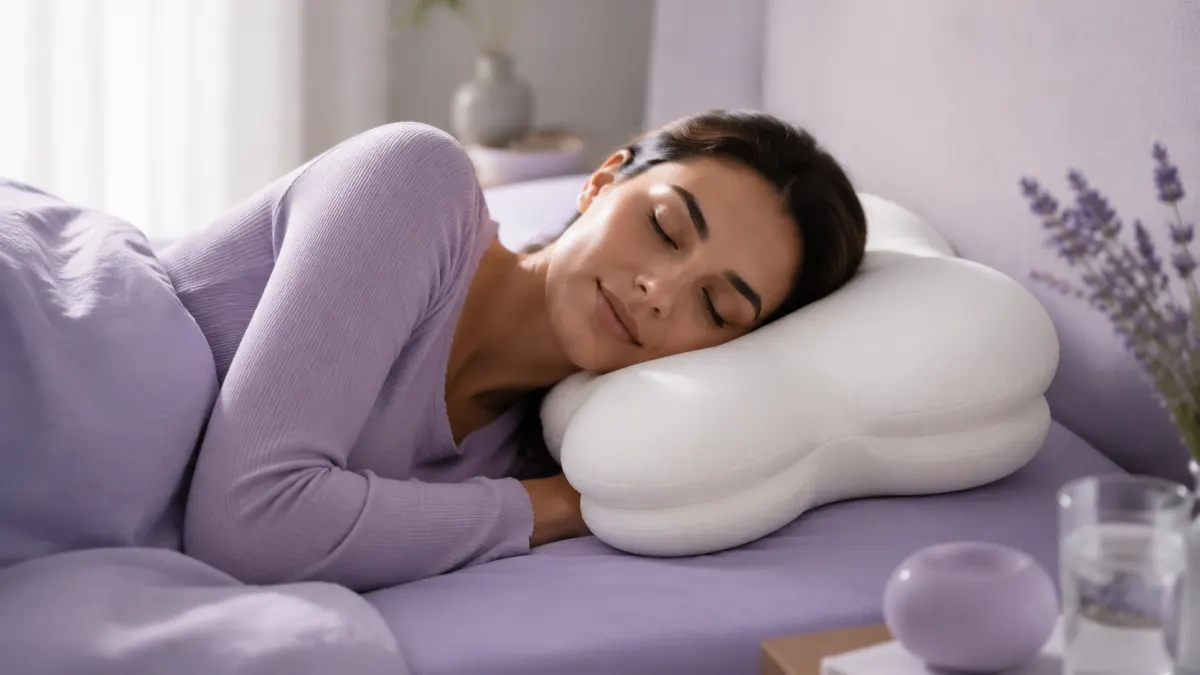
Buying brief
Decide before you shop.
Best fit
Best fit: side or side/back sleepers who need enough loft to avoid head drop without a hard pressure point at the jaw or ear.
Skip if
Skip the self-test and talk to a clinician if symptoms are persistent, worsening, one-sided, nerve-like, or linked to injury.
Pattern
Map the complaint to face pressure, jaw comfort, and surface firmness; do not treat the pillow as a diagnosis.
Position fit
Check side, back, or stomach height separately because each changes neck angle.
Pressure points
Notice jaw, ear, shoulder, skull-base, and arm pressure after several hours.
Care boundary
Persistent or worsening symptoms deserve medical advice before product testing.
Try the Lumuwala fit
Cloud Pillow is the product this guide points back to.
Lumuwala fits when the issue looks like a comfort setup problem: pillow collapse, unstable height, heat-driven turning, or pressure from an old pillow. It should be judged as a comfort product, not a treatment.
Try Cloud Pillow for side/back supportCluster links
Keep reading in this sleep path.
Jaw pain is a pillow question only sometimes
Side sleeping puts the jaw, cheek, ear, and side of the skull into the pillow. A high or firm pillow can crowd the jaw. A low pillow can make the neck drop and pull tension into the side of the face. A hot pillow can make the sleeper grind into the surface while looking for a cooler spot.
That is only one part of the picture. Jaw pain can also come from clenching, tooth grinding, dental disease, temporomandibular disorders, injury, infection, or headache patterns. A pillow page should not pretend to diagnose those problems.
Get dental or medical advice for jaw locking, swelling, fever, tooth pain, trauma, worsening pain, numbness, weakness, or pain that keeps appearing outside sleep. A pillow test is for pressure and position clues, not for symptoms that need care.
What the research can support
Temporomandibular and bruxism research belongs here as a boundary, not as a pillow claim. A systematic review on oral splints for temporomandibular disorder or bruxism evaluated pain and tooth-wear outcomes, which shows that jaw pain often sits in dental and clinical territory.
A review on disocclusion guidance in occlusal splints looked at temporomandibular disorders and sleep bruxism. Sleep-bruxism reviews also show that sleep quality and jaw-muscle activity are complicated. These sources do not prove that a pillow fixes jaw pain.
Side-sleeper pillow research still matters because jaw pressure is affected by head height and side contact. A side-sleeper pillow-height study tied useful pillow height to shoulder width and absolute pillow height. That supports a careful pressure and alignment test on the real bed.
Try the Lumuwala fit
Cloud Pillow is the product this guide points back to.
Lumuwala fits when the issue looks like a comfort setup problem: pillow collapse, unstable height, heat-driven turning, or pressure from an old pillow. It should be judged as a comfort product, not a treatment.
Use the guide, then test the fitSeparate pressure from clenching
Pressure pain is usually local. The lower jaw, cheekbone, ear, or side of the face feels sore where it met the pillow. It may improve after changing sides or using a softer surface. Clenching pain can feel deeper, involve the teeth, or show up on both sides.
Morning clues help. Tooth tenderness, headaches around the temples, and a tired chewing-muscle feeling point away from the pillow alone. A sore cheek or ear on the lower side points more toward surface pressure. These are clues, not diagnoses.
A pillow can make either pattern louder. Too much height can push the jaw upward. Too little height can let the head drop and make the sleeper brace. Heat can make the sleeper press harder into the surface. The setup test should reduce pressure without hiding symptoms that need care.
Test height and surface separately
Start with height. Lie on your side and let the shoulder settle. The nose, chin, and sternum should point in the same general direction. If the nose points down, the pillow is too low or too soft. If the nose points up, the pillow is too high.
Then test surface. If the angle looks right but the jaw or ear hurts, the surface may be too firm or the case too tight. If the surface feels soft but the head drops, the core is not stable enough. Solving the wrong variable keeps the jaw irritated.
Do not stack pillows to escape jaw pressure. Stacking often makes the head tilt and can crowd the jaw more. It also creates movement between layers, which can make the sleeper brace without noticing.
Check after several minutes. Some foams soften with warmth. Some fills migrate away from the neck. A pillow that is kind to the jaw at lights-out can still let the head drop by morning.
A five-night side-sleeper jaw test
Use five nights. Track side slept on, jaw side, tooth tenderness, temple headache, ear pressure, cheek pressure, neck angle, pillow heat, and whether the pain clears after moving. Keep notes plain and short.
Night one: current setup. Night two: correct pillow height only if the angle check fails. Night three: use a softer breathable case if surface pressure is the issue. Night four: support the top arm so the shoulder does not pull the face into the pillow. Night five: repeat the best low-risk setup.
If tooth pain, jaw locking, swelling, fever, injury, or worsening symptoms appear, stop the pillow test. If the pain is tied to clenching or grinding, a dentist is the better next step. A pillow can reduce pressure; it cannot treat bruxism.
The useful result is specific: less lower-side jaw pressure, level head, no new neck stiffness, no extra ear pressure, and no need to keep rebuilding the pillow. If jaw pain stays the same after pressure is reduced, the pillow was probably not the main cause.
What to look for
Look for a stable side-sleeper height, enough surface give under the cheek and ear, a breathable case, and return terms. Jaw-sensitive side sleepers should be cautious with pillows that feel hard at the edge or force the face upward.
Adjustable fill can help if the fill stays under the neck and does not bunch under the jaw. Solid foam can work if the height fits and the surface has enough give. Very plush pillows can feel good against the jaw and still fail if the head drops.
A useful product page should mention who may find the pillow too tall or too firm. Jaw pain shoppers need that honesty because surface pressure and height are both possible failure points.
If you use a night guard or dental appliance, test the pillow with that normal setup. The jaw position can feel different. Do not judge the pillow on a night that does not match how you usually sleep.
Common mistakes with side-sleeper jaw pain
The first mistake is assuming the pillow is the whole cause. Side pressure can irritate the jaw, but tooth pain, clenching, grinding, joint symptoms, and dental appliances can change the picture. A pillow test should not delay a dental check when the symptoms point that way.
The second mistake is chasing the softest surface. A very soft pillow can spare the cheek and still let the head drop. The jaw may feel better for one night while the neck gets worse. Surface comfort and head support both have to pass.
The third mistake is raising the pillow until the jaw floats. Too much height can crowd the jaw upward or push the face into the edge. The side-sleeper line still matters: nose, chin, and sternum should stay in the same general direction.
The fourth mistake is ignoring heat. A hot pillow can make a sleeper press, clench, or move into a strained angle. If jaw pain is worse on warm nights, the cooling layer and case deserve the same attention as height.
The fifth mistake is testing without the normal night guard. If a dental appliance changes how the jaw closes, the pillow has to work with that real setup. A test without it may give the wrong answer.
The sixth mistake is treating ear pain, tooth pain, and jaw pain as identical. They can overlap during side sleeping, but the fix can differ. Ear pressure may be surface softness. Tooth pain belongs with a dentist. Jaw crowding may be height or clenching.
The seventh mistake is accepting a pillow that works only when placed perfectly. Normal sleep includes movement. If the jaw relief disappears whenever the pillow shifts, the setup is too fragile for a full night.
The eighth mistake is testing only the less painful side. That can hide a pillow problem because the sore side never touches the surface. Test the normal side-sleeping pattern unless symptoms make that unsafe or clearly unwise. Keep the comparison honest across ordinary nights at home.
Where Lumuwala fits
Lumuwala Cloud Pillow can work for side sleepers with jaw pressure when the main failure is pillow collapse, heat-driven movement, or a low pillow that makes the sleeper press the face into the surface. The 6 inch medium-firm profile gives stable height, and the cooling cover can reduce heat-driven repositioning.
It may be too firm or too tall for some jaw-sensitive sleepers. Test angle first, then pressure. If the head is level but the jaw feels crowded, try a thinner softer case once. If crowding stays, the pillow is not the right surface or height.
Lumuwala is not a jaw-pain treatment. If symptoms point toward dental pain, bruxism, temporomandibular disorder, injury, or infection, use clinical care first. The pillow trial should only answer whether side pressure and neck angle are making the morning worse.
Do not stack another pillow under Lumuwala during the first test. Stacking can make jaw pressure worse and hide the real height. Use the pillow alone, keep the top arm supported if needed, and judge the morning note.
Keep Lumuwala only if the pattern changes clearly: less lower-side jaw pressure, level head, fewer hot-pillow moves, no new neck stiffness, and no new ear pressure. If tooth tenderness or jaw locking continues, move the question out of the bedding aisle.
Where Cloud Pillow does and does not fit
Good fit
Lumuwala fits when the issue looks like a comfort setup problem: pillow collapse, unstable height, heat-driven turning, or pressure from an old pillow. It should be judged as a comfort product, not a treatment.
Not the fit
Lumuwala is not the right fit for every pillow for side sleepers with jaw pain shopper. Do not buy it as a substitute for medical care, as a rigid prescription contour, or as a promise that a pillow alone can fix the room, mattress, or health factors behind poor sleep.
Questions shoppers ask
What is the quick answer for pillow for side sleepers with jaw pain?
Focus on face pressure, jaw comfort, and surface firmness. The right pillow should solve that main job while keeping height, heat, care, and return risk in balance.
Where does Lumuwala Cloud Pillow fit in pillow for side sleepers with jaw pain?
It fits when you want a soft support pillow to test at home with the current policy details in view and you are not looking for a rigid medical contour.
Can a pillow treat pain or numbness?
No. A pillow may reduce one comfort variable, such as height, pressure, or heat, but persistent or nerve-like symptoms should be discussed with a clinician.
How many nights should I test the pillow?
Use several normal nights, not one nap or one showroom squeeze. Keep the same pillowcase, mattress, and bedding so the pillow is the main variable.
What should I write down during the test?
Track heat timing, pillow flips, folds, stacking, pressure at the jaw or ear, shoulder load, neck angle, and morning comfort.
Is a higher pillow always better?
No. Side sleepers often need more loft than stomach sleepers, but too much height can tilt the neck upward or push a back sleeper's chin down.
When should I stop self-testing?
Stop and get medical guidance if symptoms are persistent, worsening, nerve-like, tied to injury, or include weakness, numbness, dizziness, or breathing concerns.
What makes an article trustworthy for pillow shopping?
Trust pages that separate fit guidance from medical claims, cite real sources, disclose evidence limits, and avoid invented review counts, ratings, or lab measurements.
Sources
- Riley P, Glenny AM, Worthington HV, et al. Oral splints for temporomandibular disorder or bruxism. PubMed PMID: 32060462.
- Denardin ACS, Nascimento LP, Valesan LF, et al. Disocclusion guides in occlusal splints on temporomandibular disorders and sleep bruxism. PubMed PMID: 36241594.
- Yanez-Regonesi F, Sangalli L, Robinson C, et al. Sleep bruxism and sleep quality: a systematic review. PubMed PMID: 38053442.
- Tian S, Yao C, Wang Y, et al. Individualized optimal pillow height and neck support design for side sleepers. PubMed PMID: 39412632.